Killer meatballs

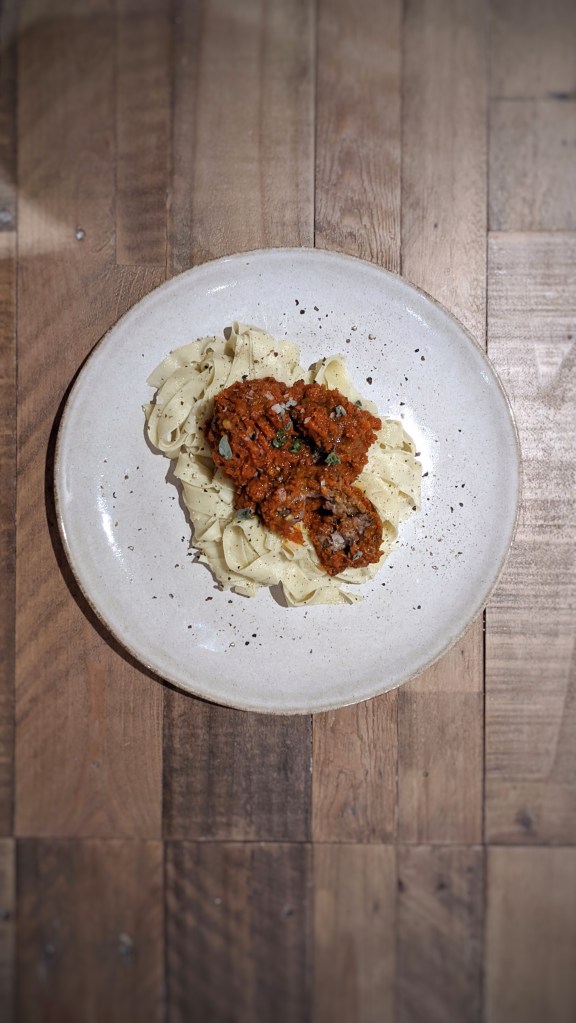
The final dish

Meatballs and tomato sauce was one of the first meals I cooked on repeat a couple of years ago when I started this blog.

There’s no meat-eater who doesn’t love meatballs so it’s always a winner when friends or family are over for dinner. I’ve also seen so many overly shortened and unnecessarily healthy recipes, which invariably lead to sauce that tastes of canned tomatoes and dried herbs, or meatballs that fall apart in the sauce. You don’t need anything complicated to make a banging meatballs and sauce.

It’s a simple meal to make, albeit one that requires more patience than its appearance would suggest. Here I’ll run through my recipe for meaty beef meatballs (inc. copious volumes of parmesan crumbs) with an indulgent tomato sauce (no dried herbs in sight).

There are two components (meatballs, tomato sauce…) and you can prep them both at the same time. The meal will take just under an hour from fridge to plate, if you’re smart with timings. Recipe below. You literally* can’t go wrong.

*You can go wrong and I accept no responsibility

Recipe

Serves: 4 normal people or 3 if one of them (ahem) has a large appetite

Ingredients:

  • 500g beef mince. Don’t get the lean stuff. You want around 10-12pc fat to add flavour and texture. The best vegetarian substitute would be Impossible Foods or Beyond Meat mince – don’t use something like quinoa as you won’t get anything remotely resembling a meatball.
  • 800g passatta
  • 50g plain flour
  • 25g grated parmesan, plus extra to serve
  • 1 large egg yolk
  • 1 jar of sundried tomatoes
  • 2 medium white onions
  • 4 large cloves of garlic
  • Maldon sea salt flakes
  • Ground peppercorns
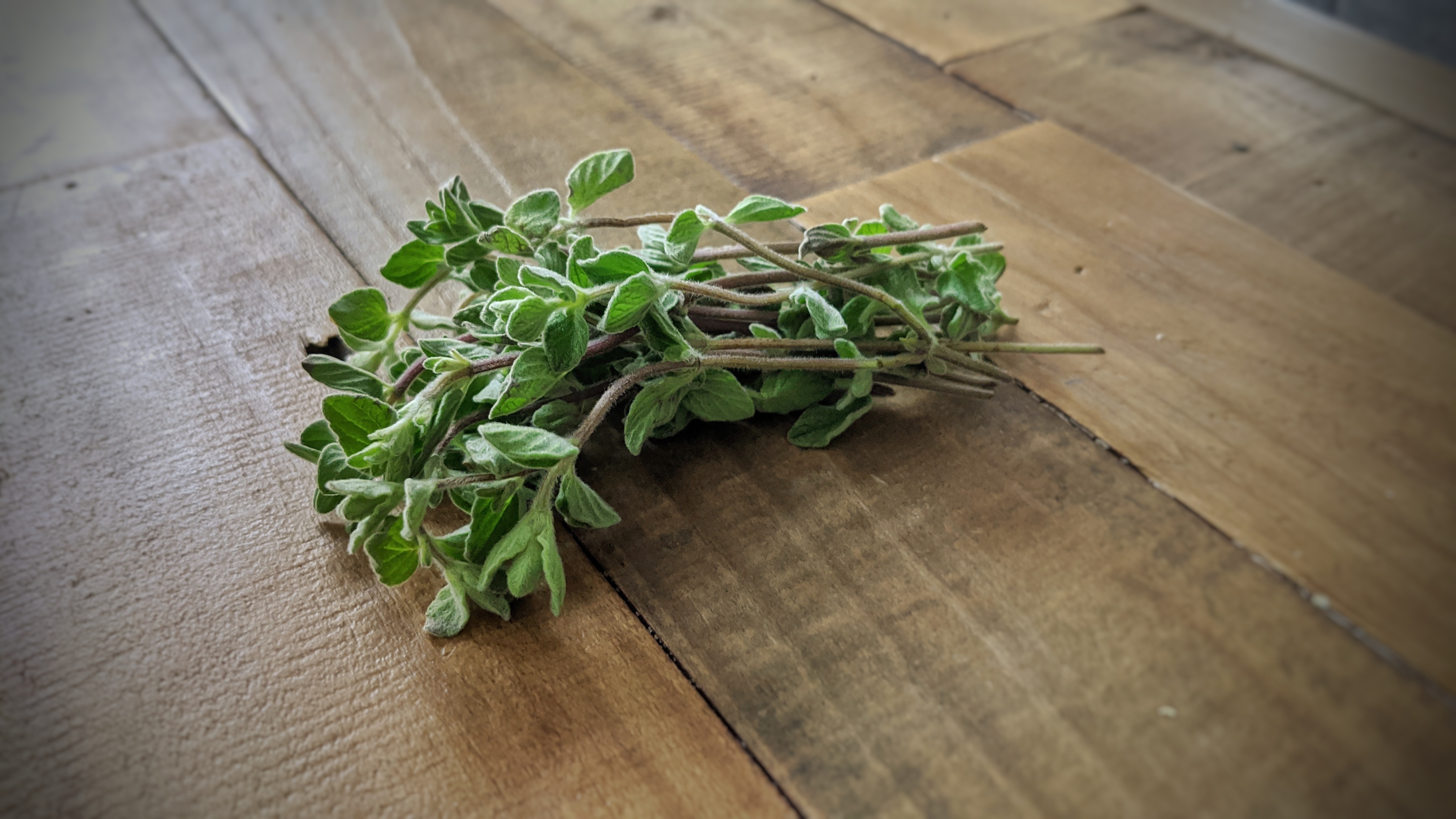
  • Optional: pinch of fresh oregano (no herbs is better than dried herbs)
  • 400g fresh pasta (gnocchi or tagliatelle work well)
Steps:

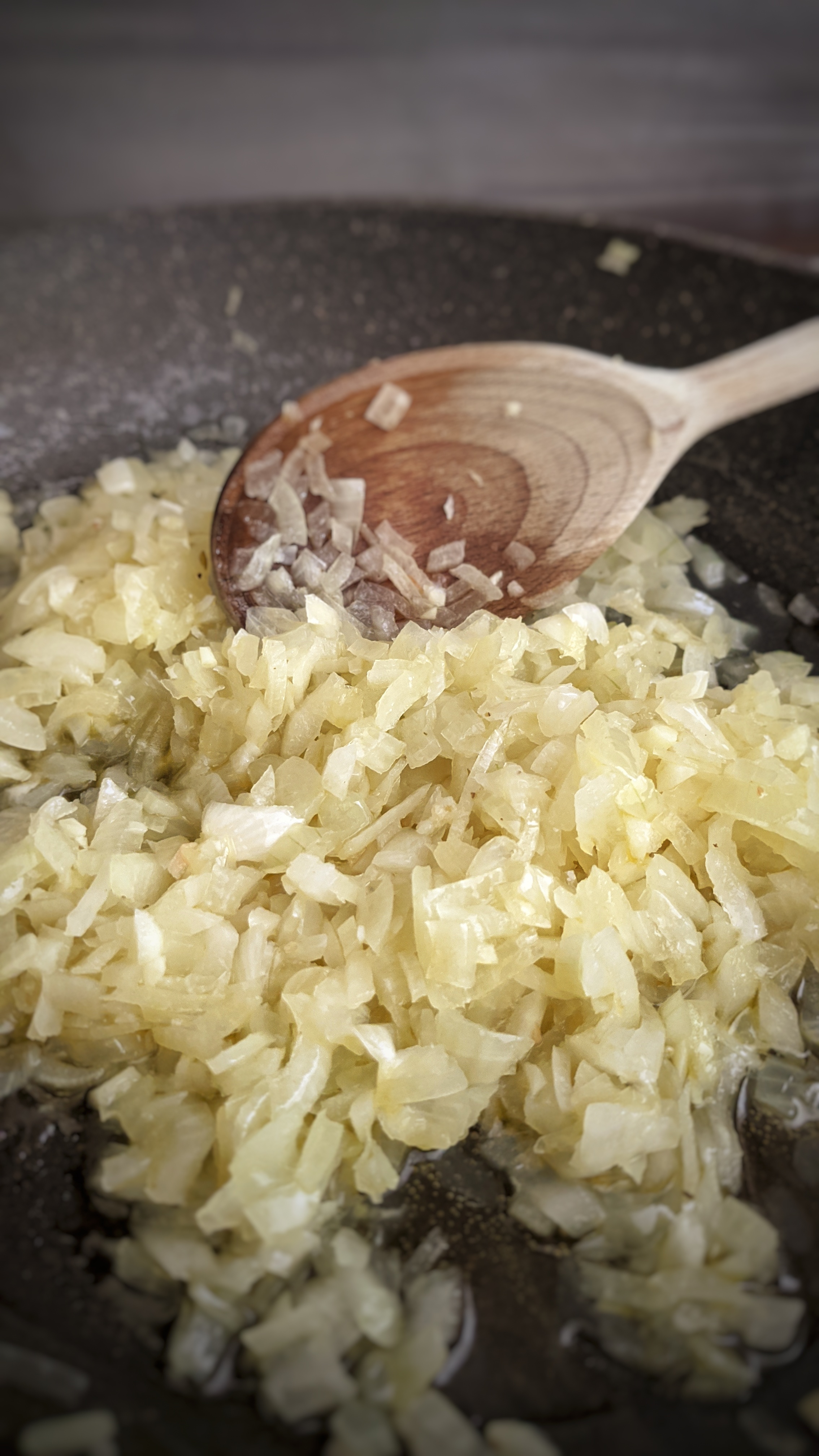
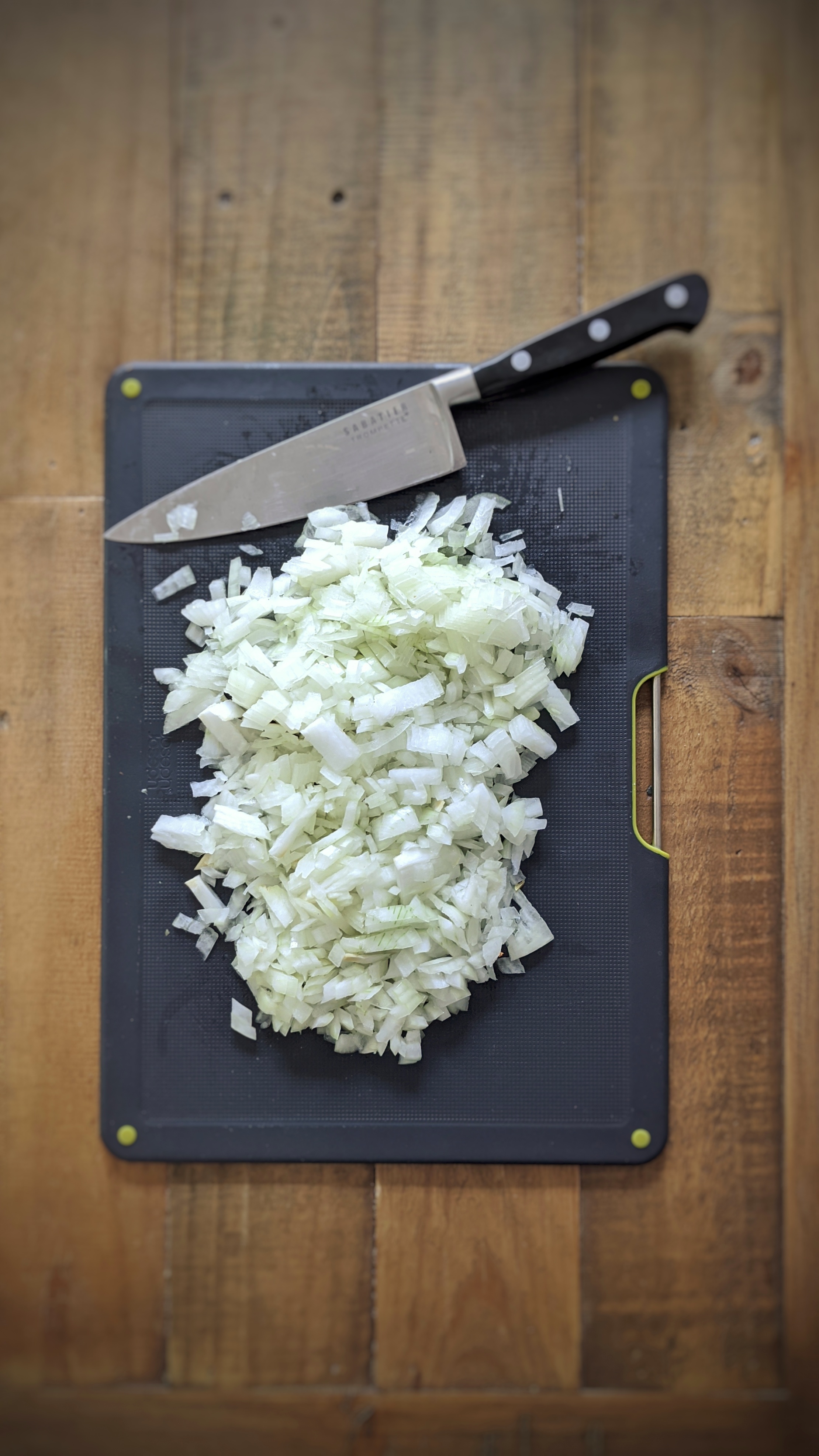
1) Sauce base. Finely dice the onions and add to a large saucepan on a medium heat. Add all the oil from the jar of sundried tomatoes. Finely dice the garlic and add to the pan. Turn down to a low-medium heat and stir occasionally.

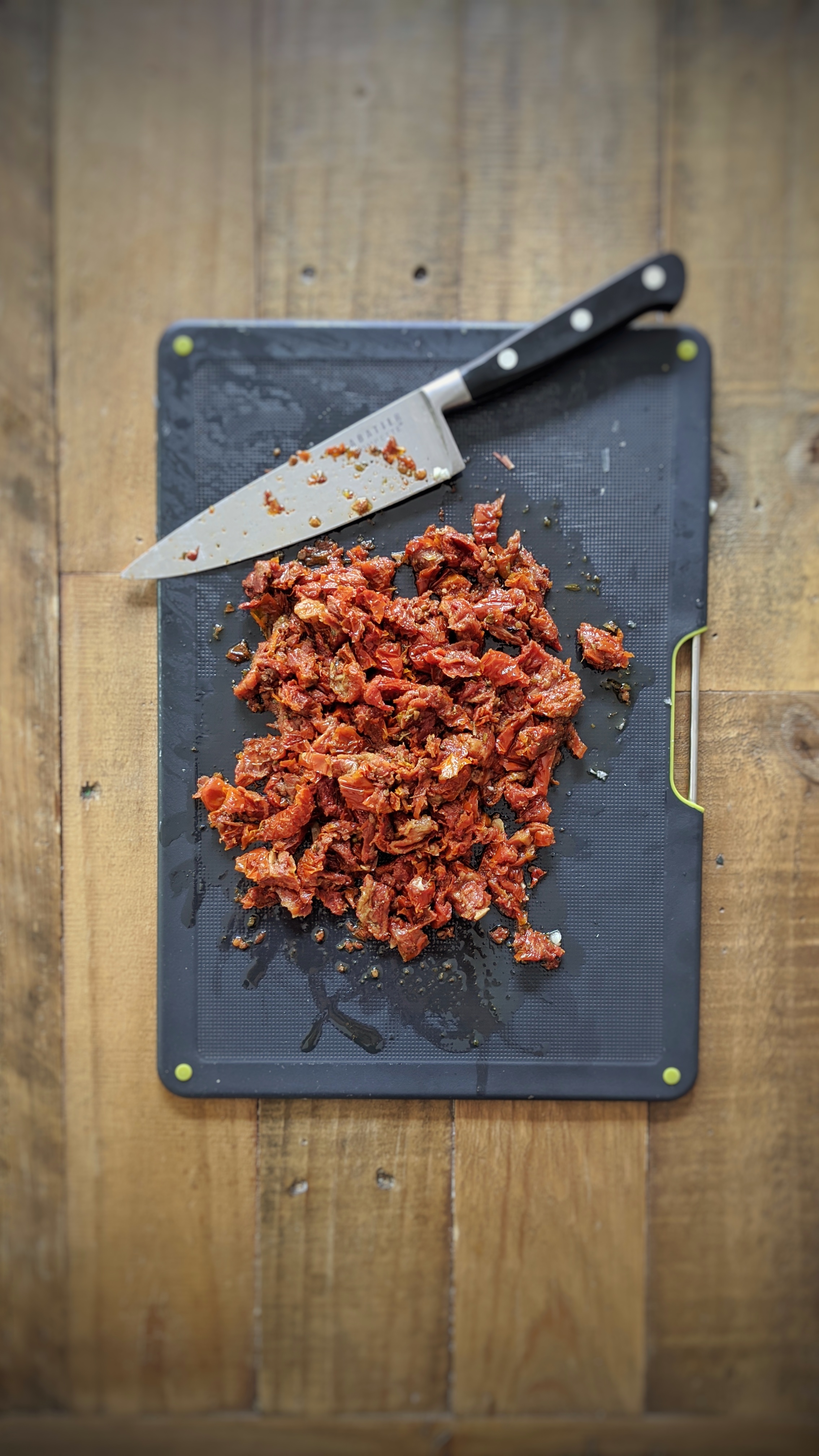
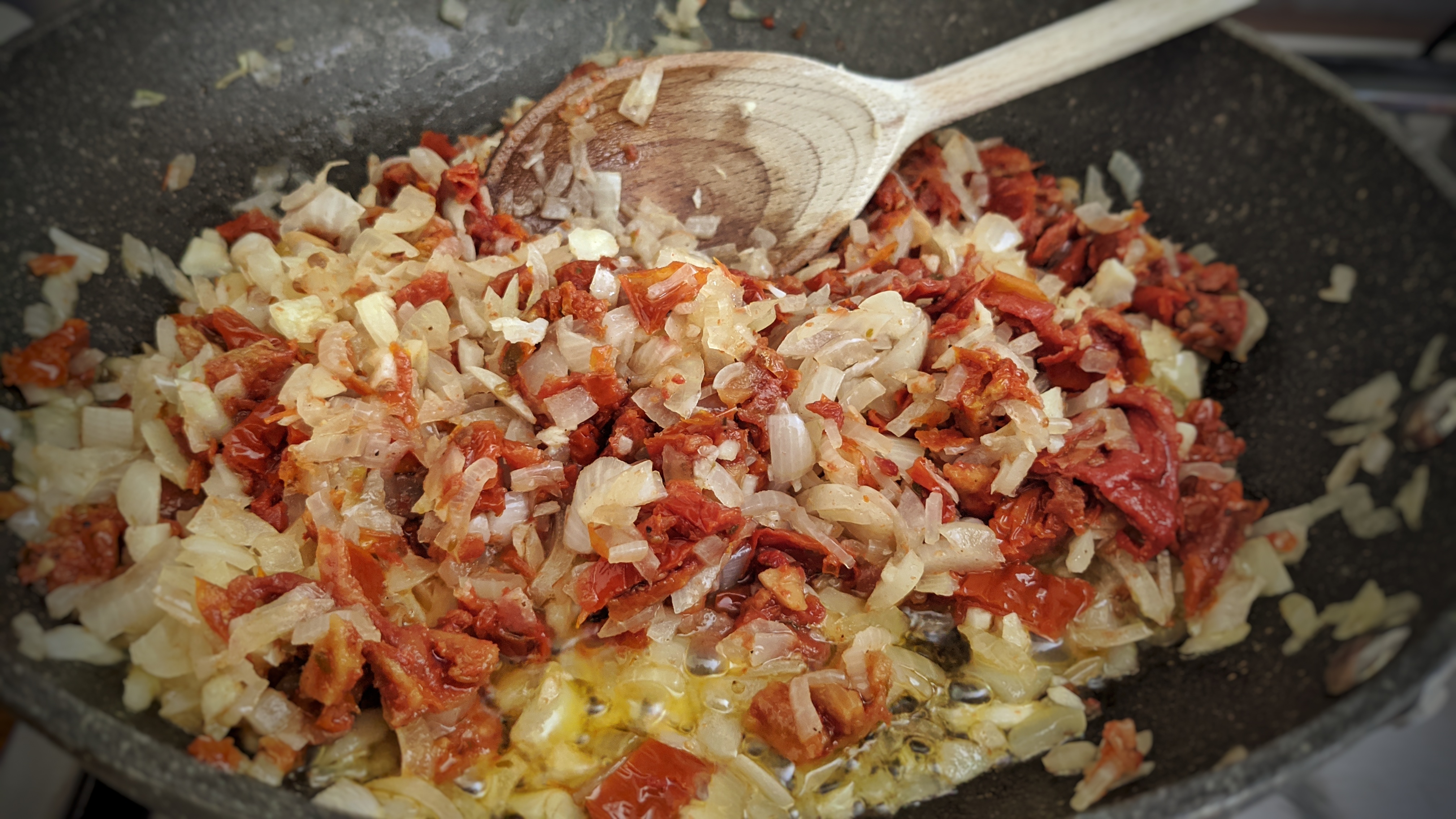
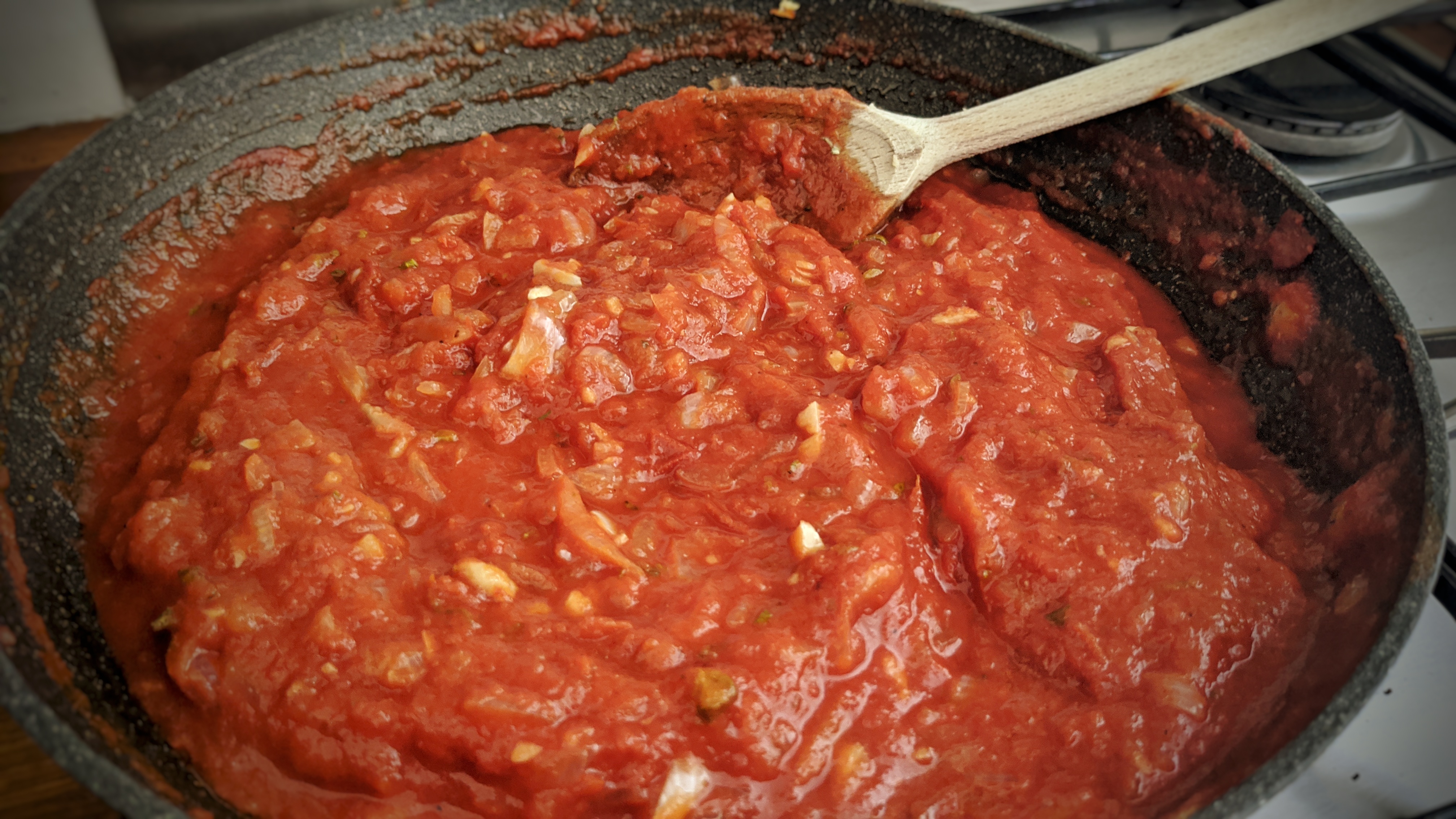
2) Sauce body. Roughly chop the sundried tomatoes and add to the pan once the onions are translucent. Add the passatta, stir and turn to a high heat until it simmers, then bring down to a low heat. Add the fresh oregano. The sauce will get better and better while you’re making the meatballs.

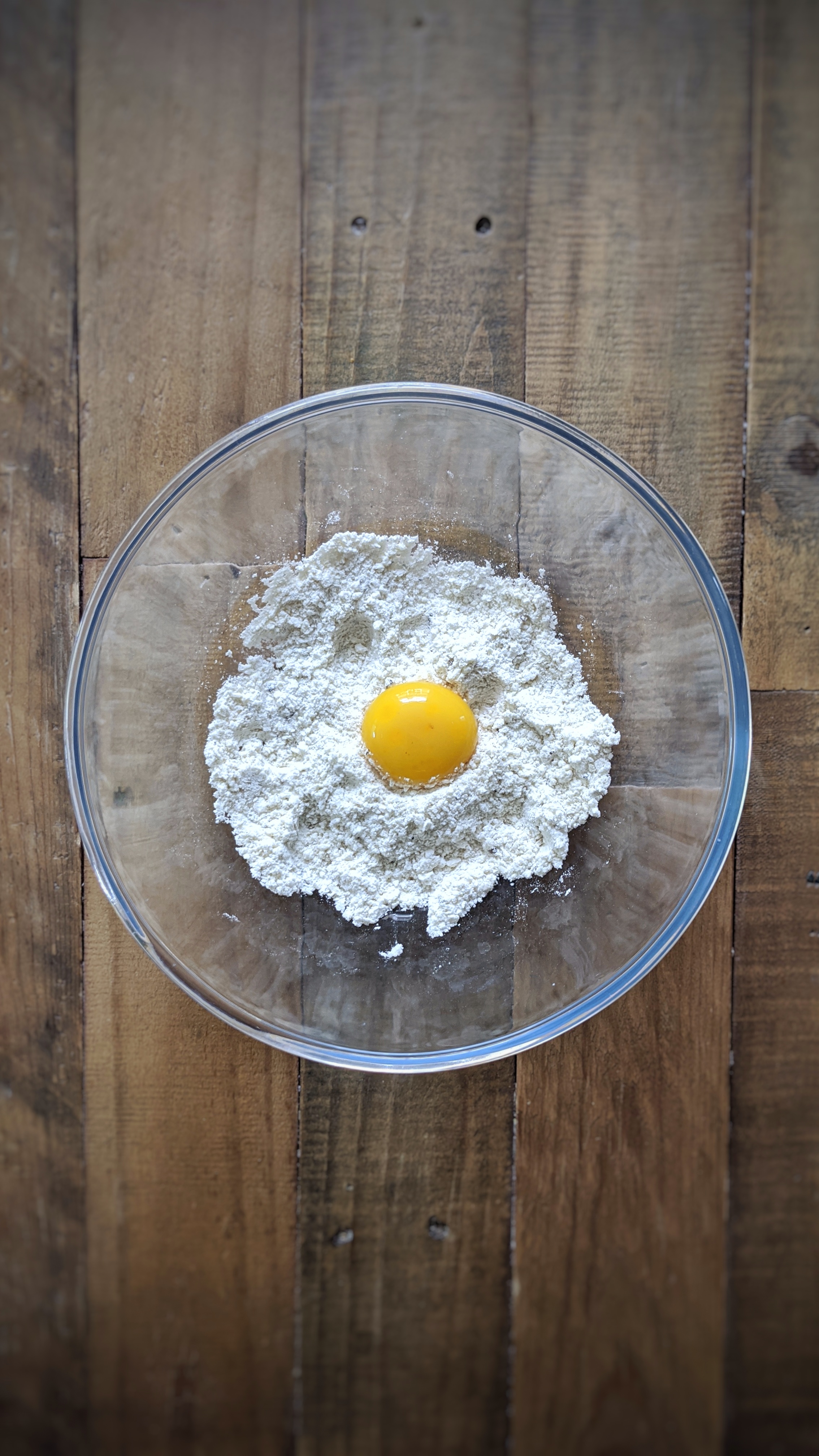
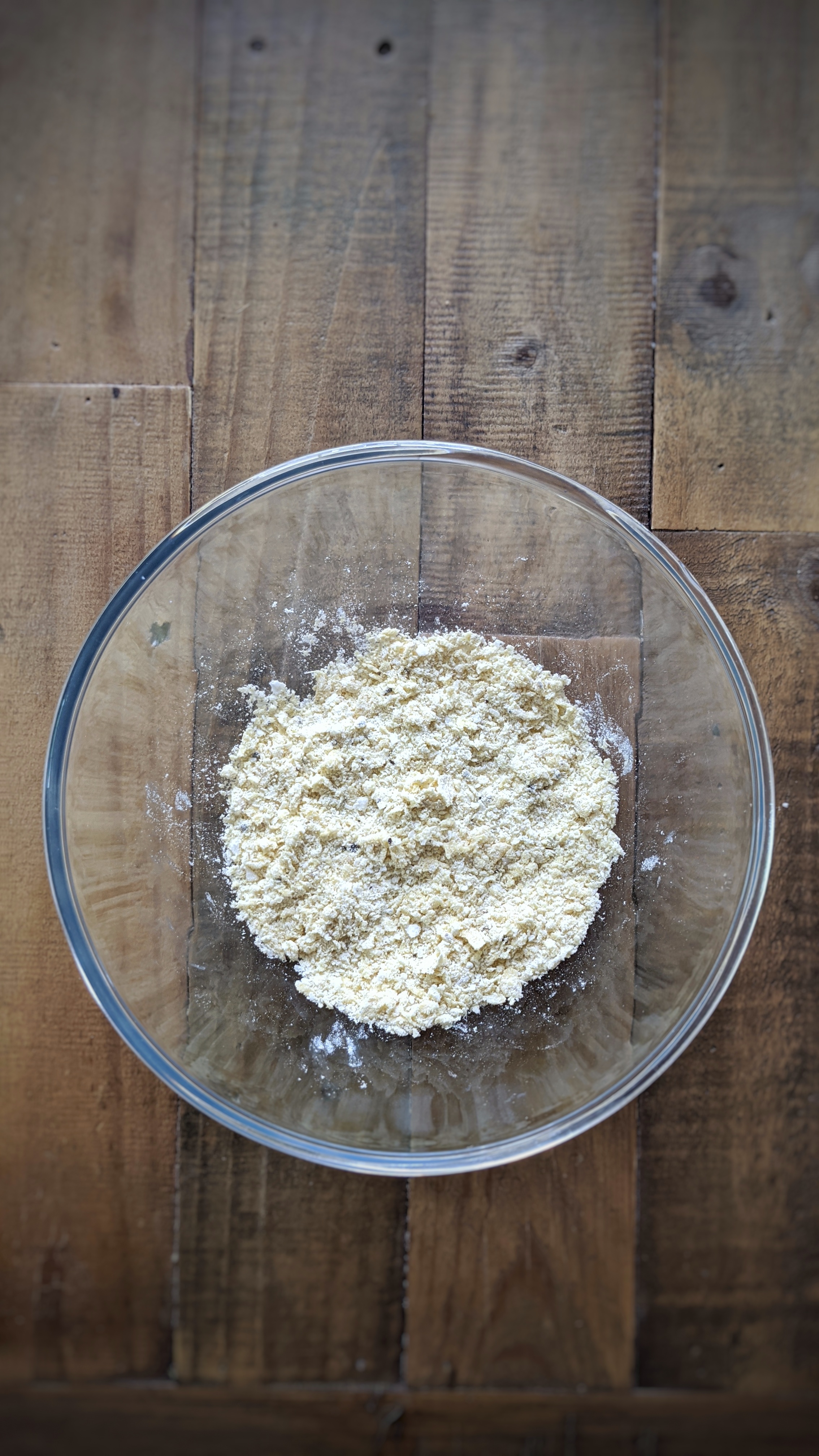
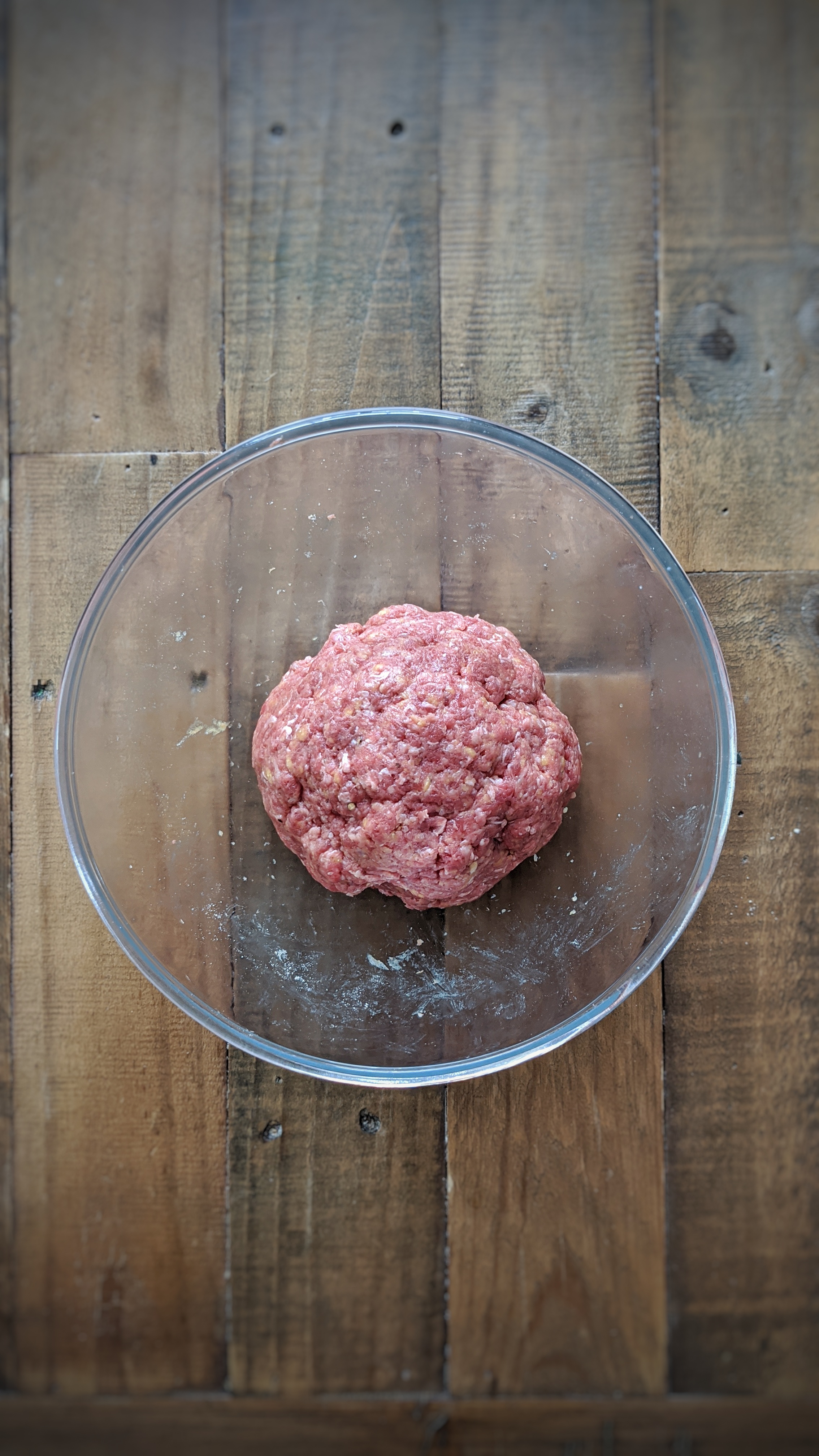
3) Make the meatball mixture. In a large mixing bowl, use your hands to mix together the mince, parmesan, flour, the egg yolk, a generous palmful of salt and a few twists of pepper into a ball. Make sure everything is spread uniformly through the mixture.

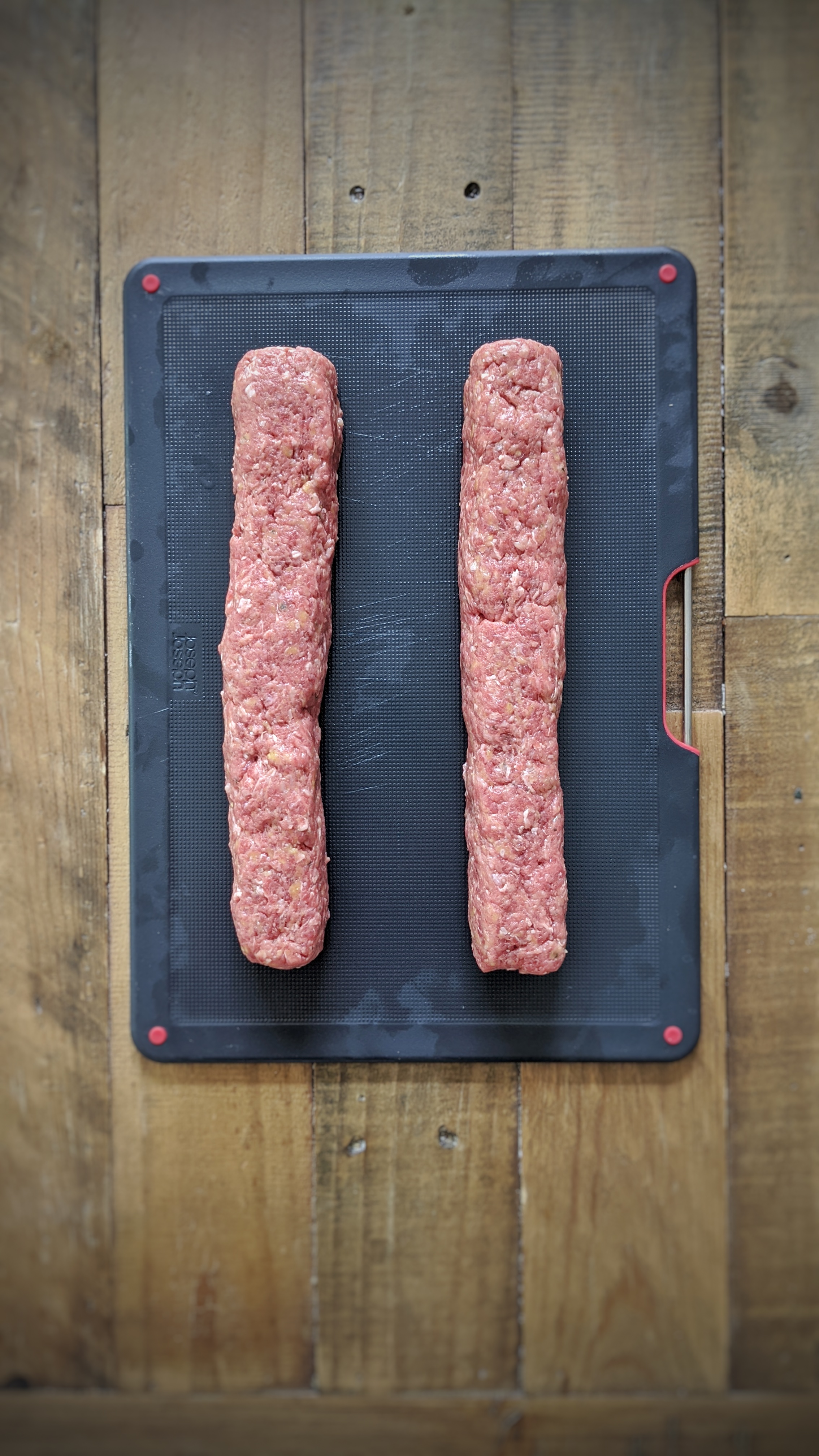
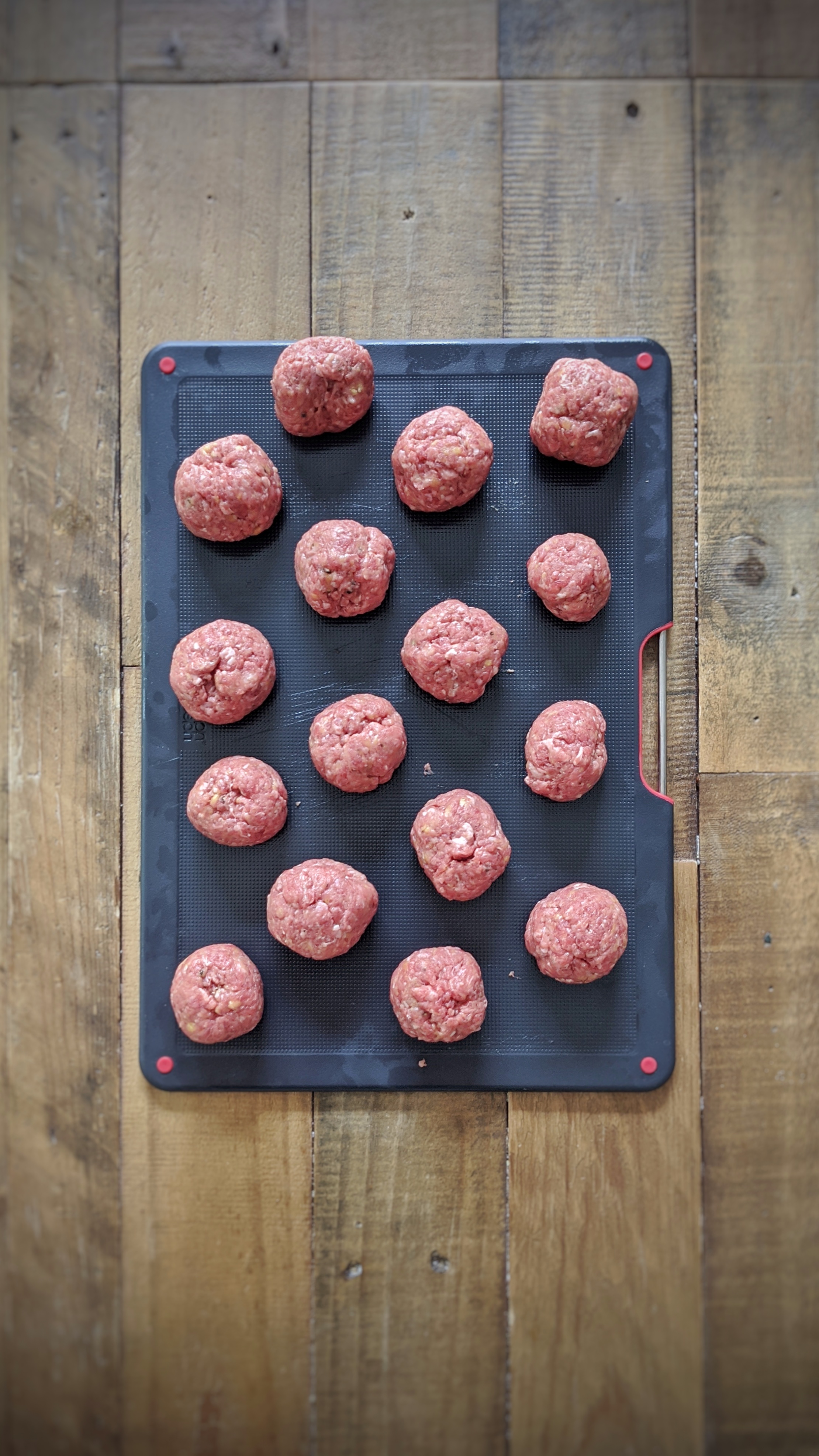
4) Shape the meatballs. Roll the ball into two sausages, each a bit shorter than your chopping board. Chop each sausage into 6-8 uniform chunks, and roll them into balls using the palm of your hand.

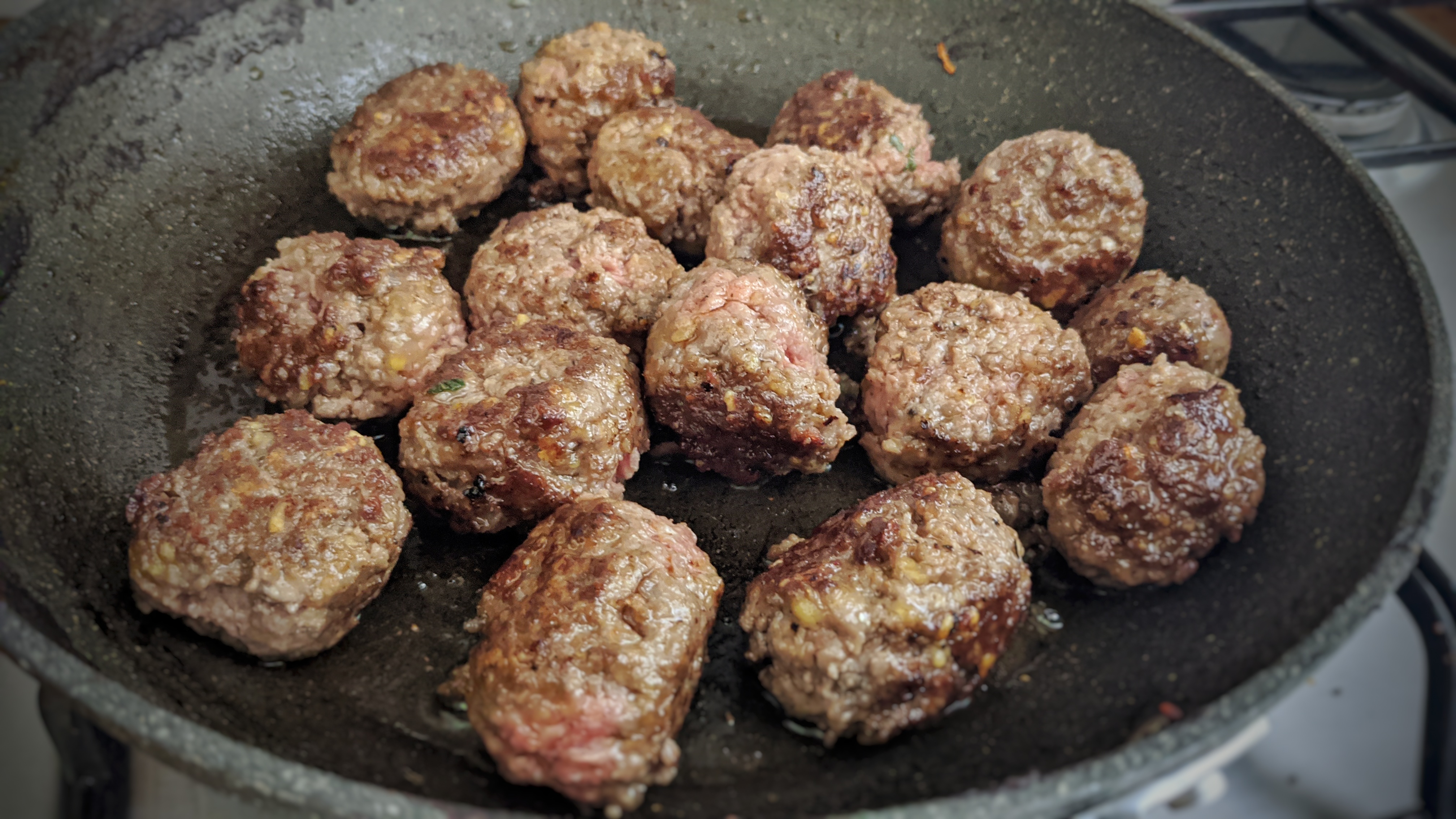
5) Brown the meatballs. Add some vegetable oil to a large flat frying pan on a medium heat. Once the oil begins to shimmer and bubble, add all the meatballs, making sure none are touching. Once the bases of the meatballs are brown and caramelised, flip them all over and brown the opposite side. This is enough to add a deep meaty flavour. To ensure the meatballs stay moist, quickly turn all the meatballs around in the pan so there’s no visible pink.

6) Let the sauce develop. Pour the meatballs into the sauce, including any fat left in the frying pan. Leave for 15 minutes giving it a gentle stir, being careful not to break the meatballs. After 10 minutes, boil a full kettle of water, add to a saucepan, add the pasta and a large palmful of salt and drain once cooked.

7) Serve with a generous sprinkle of parmesan.
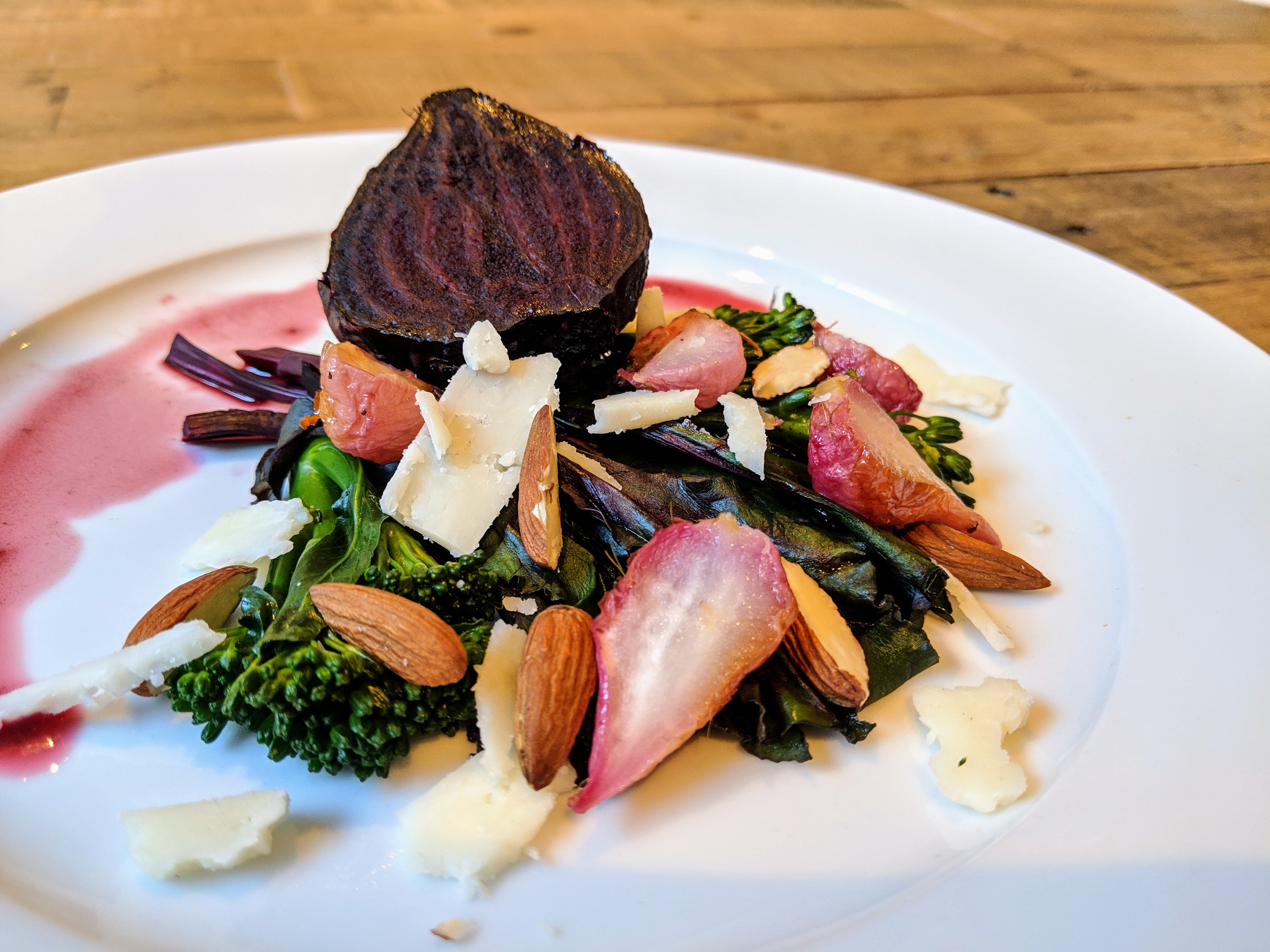
Roasted leftovers

I used to hate beetroot, although I’m fairly sure I’d never actually tried it. Just one of those things you convince yourself you don’t like when you’re a kid, then one day you realise you’re 27 and still not eating it out of some childish rebellion.

So.

I decided to make a beetroot dish.

I also didn’t like radishes so I chucked some of then in too because I like to live life on the edge.

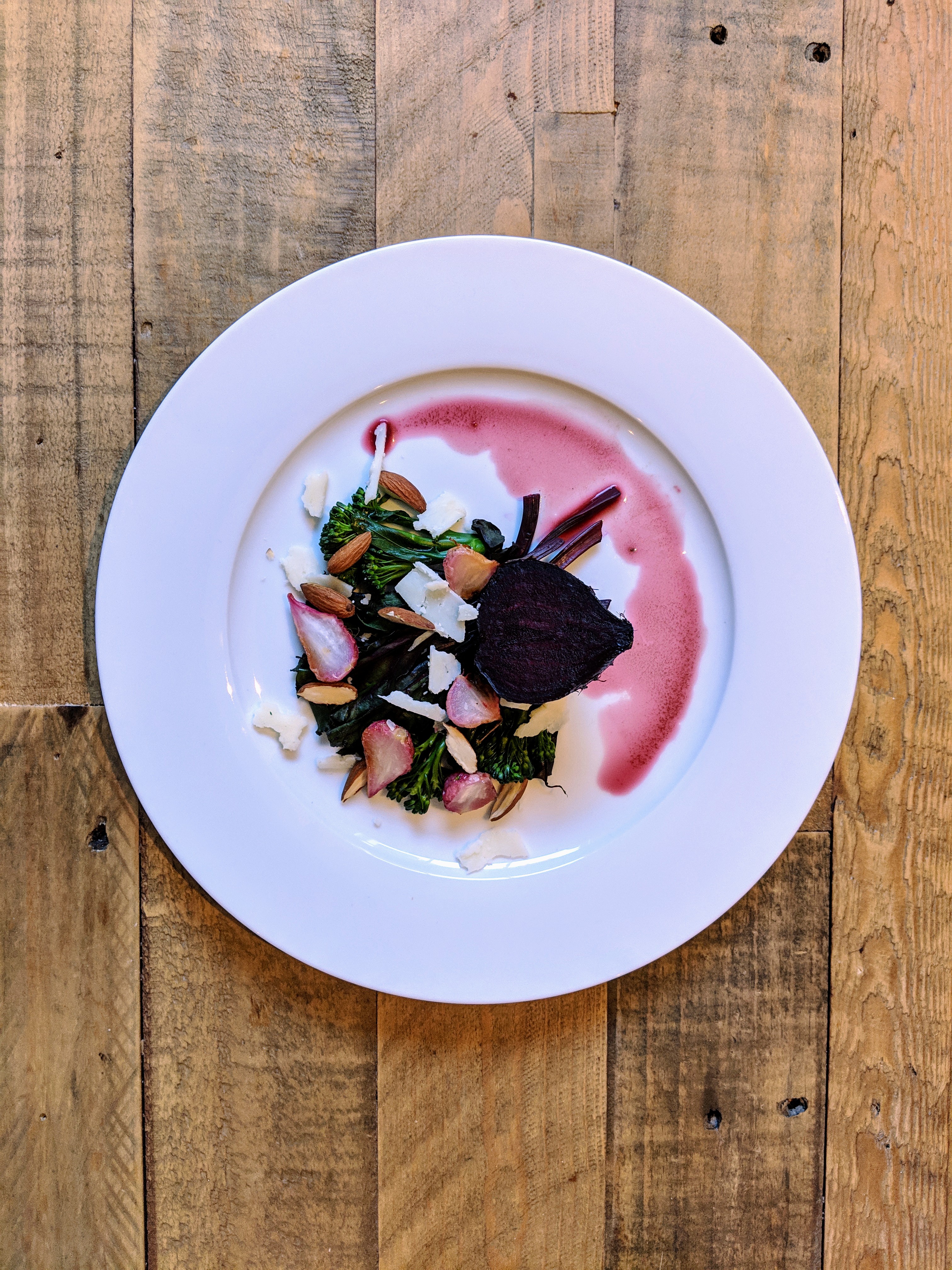
So it’s roasted beetroot, roasted radishes, blanched beetroot greens, goats cheese and almonds.

The beetroot is fresh and sweet, although roasting it for an hour in olive oil and salt gives it a slightly crispy and fatty edge.

I cooked the radishes with the beetroot but the effect is completely different. Each one is like a little pop in your mouth. They lose all their bitterness and just have this fresh, earthy taste.

The purple and green of the beetroot greens (which only need a minute or two in the pan) jumps off the plate. It’s also earthy but deeper than the radish.

The tenderstem broccoli adds sweetness and colour and freshness.

It’s already like a garden on plate but the creamy goat’s cheese brings everything else together. It’s a nutty and salty respite in each mouthful. The almonds add more nut and salt.

I can’t think of any better salad to have in the fridge at this time of year.

Fluffy and crispy roast potatoes

Nothing tastes as good as skinny feels? These do, and you’ll get that santa physique in no time.

I love a good Christmas roast.

In fact, Christmas dinner was the first big meal I cooked for others, and the thing that got me into cooking for pleasure.

And for me, the biggest indulgence is the roast potatoes (and the roast parsnips and carrots – but that’s for another time).

I think it’s because it’s the time of year where its entirely legitimate to coat everything in artery-blocking levels of fat.

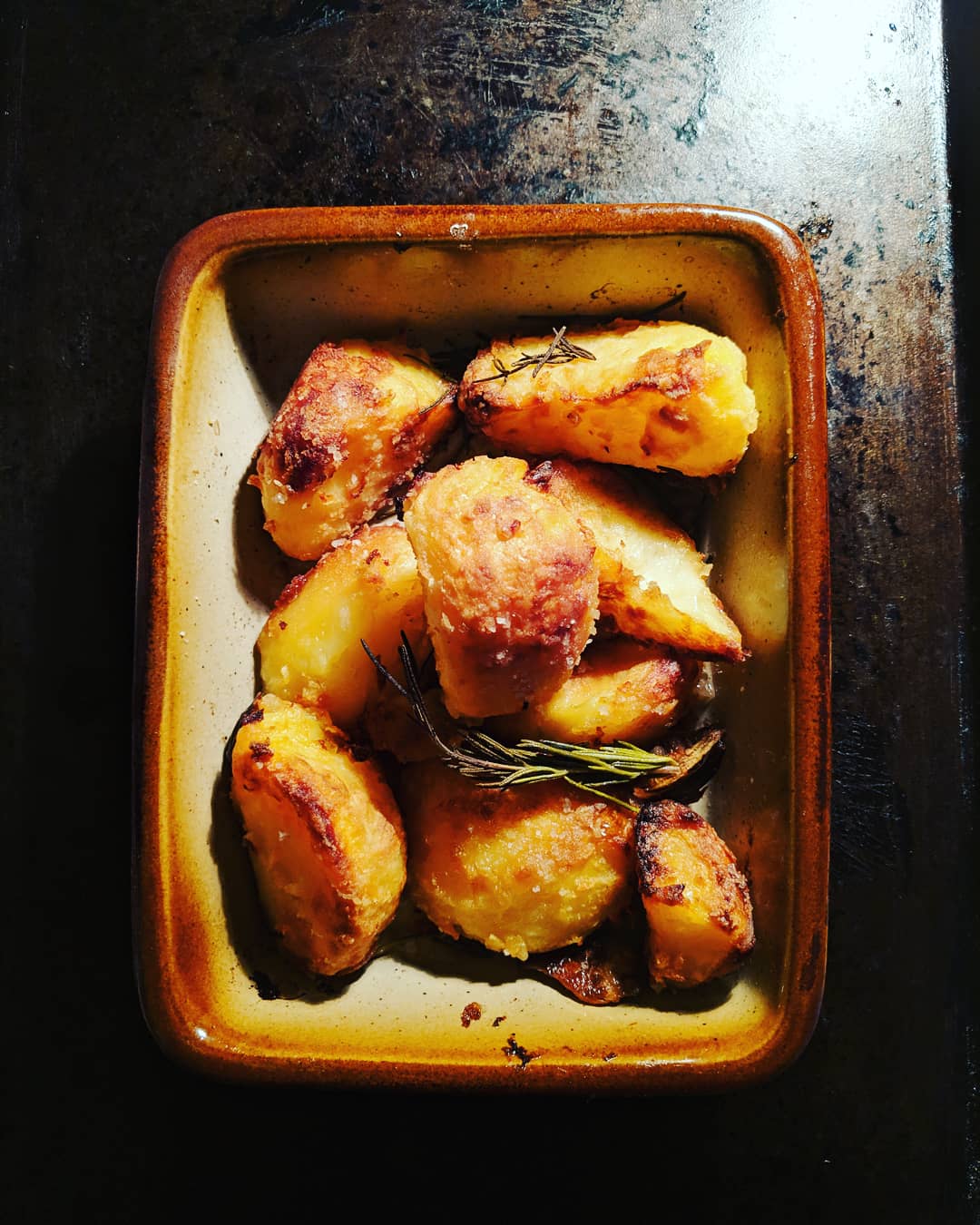
So here is my recipe for the crispiest, fluffiest Christmas roast potatoes.

(serves 6)
You need:
• 2-2.5kg Albert Bartlett potatoes
• One large jar of goose fat
• A couple of handfuls of plain flour
• Fleur de sel or kosher salt flakes
• Regular table salt
• A handful of fresh sprigs of rosemary
• 1/2 a bulb of garlic

Part 1: fluffy
• There’s nothing worse – okay there are probably worse things – than hard, slippery roast potatoes. Getting the fluffy right is the key to enjoying the crispy.
• So where do we start? Peel the potatoes and chop them into equal pieces, around the size of a golf ball.
• Fill a saucepan with cold water and a couple of large handfuls of table salt. Don’t worry – most of this will wash off. The purpose of the salty water is to diffuse into the potato and break down the internal structure, creating that fluffy texture we’re looking for. Add the potatoes to the pan, stir the salt through, and bring to the boil.
• Once the water is boiling, bring it down to a simmer. After ten minutes, take a potato out with a slotted spoon and drop it into a colander.
• Give it a strong shake for twenty seconds. Look what happens. If it has fluffed-up on the edges, with little pieces of potato peeling off, you’re good. Imagine someone has stuck bits of mashed potato to the sides of a boiled potato – that’s what we’re aiming for. Take out all the potatoes and do the same.
• If the potato slips and slides in the colander, it needs longer in the pan. Put it back in but check every thirty seconds or so. Don’t be relaxed about this bit. If you leave the potatoes in slightly too long they’ll just fall apart when you shake them.
• Once the potatoes have been shaken up, add a couple of handfuls of plain flour and shake again until they’re coated. This effectively turns those mashy bits on the sides into more structural components that will keep their shape ans crisp up nicely when roasted.

Part 2: crispy
• Now for the easy bit.
• Preheat the oven to 180.
• Coat the bottom of the roasting tray with a thin layer of goose fat. Place the potatoes onto the pan one-by-one, being careful to leave space between each one. Any which are touching won’t crisp up as well.
• Using a teaspoon, add a small blob of goose fat to the top of each potato. Don’t be frugal – it’s Christmas after all! Use your fingers to spread the fat over the potatoes.
• Sprinkle each potato with a pinch of fleur de sel.
• Bash the garlic cloves with your wrist on the heavy end of a flat knife blade, and lay these in the oil at the base of the tray.
• Slide some sprigs of rosemary into the gaps between the potatoes.
• Place the tray into the hot oven and roast for 45 minutes. Take the potatoes out and carefully turn them upside down so the less-browned bits are facing up. Return the potatoes to the oven and check every ten minutes for them to finish crisping-up. And serve!

Have a great Christmas and eat like there’s no tomorrow!

Dulche de leche brownies

Chocolate brownies are one of my favourite bakes. They were the first thing I learnt since I started taking this more seriously (if feeding yourself copious amounts of chocolate can be called serious).

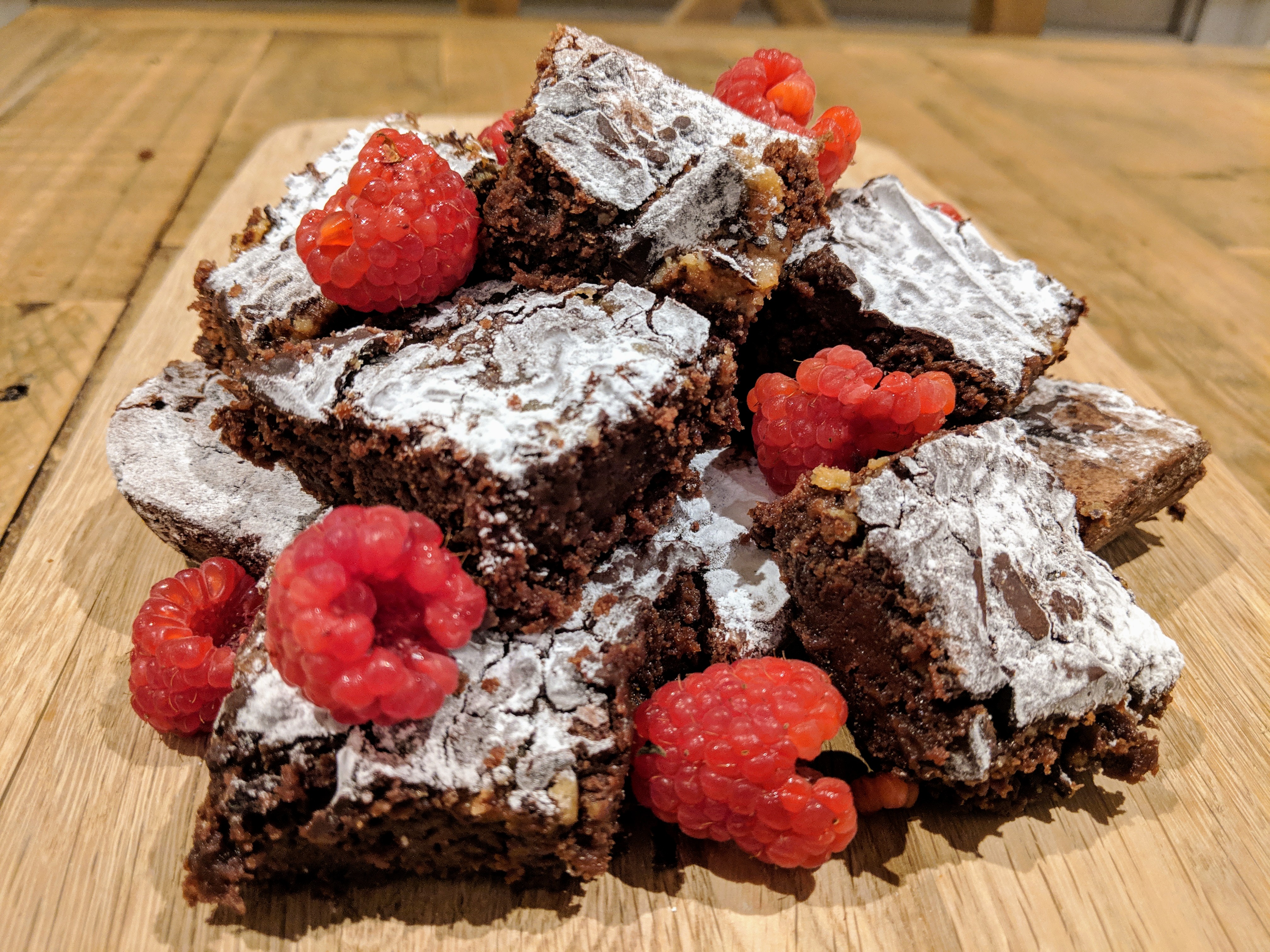
The recipe I use is super-simple, but crucially uses way more butter than flour. The result is a dense, gooey brownie which almost becomes smooth as you bite through it. They are infinitely more pleasurable than those brownies you get that are essentially small, ovetpriced slices of chocolate cake.

If I had to hyperanalyse it, I’d say you want a fundamentally different thing out of a brownie, versus what you want out of a chocolate cake. A brownie is for depth and richness and texture. It melts in your mouth and fills your arteries with delicious buttery chocolate.

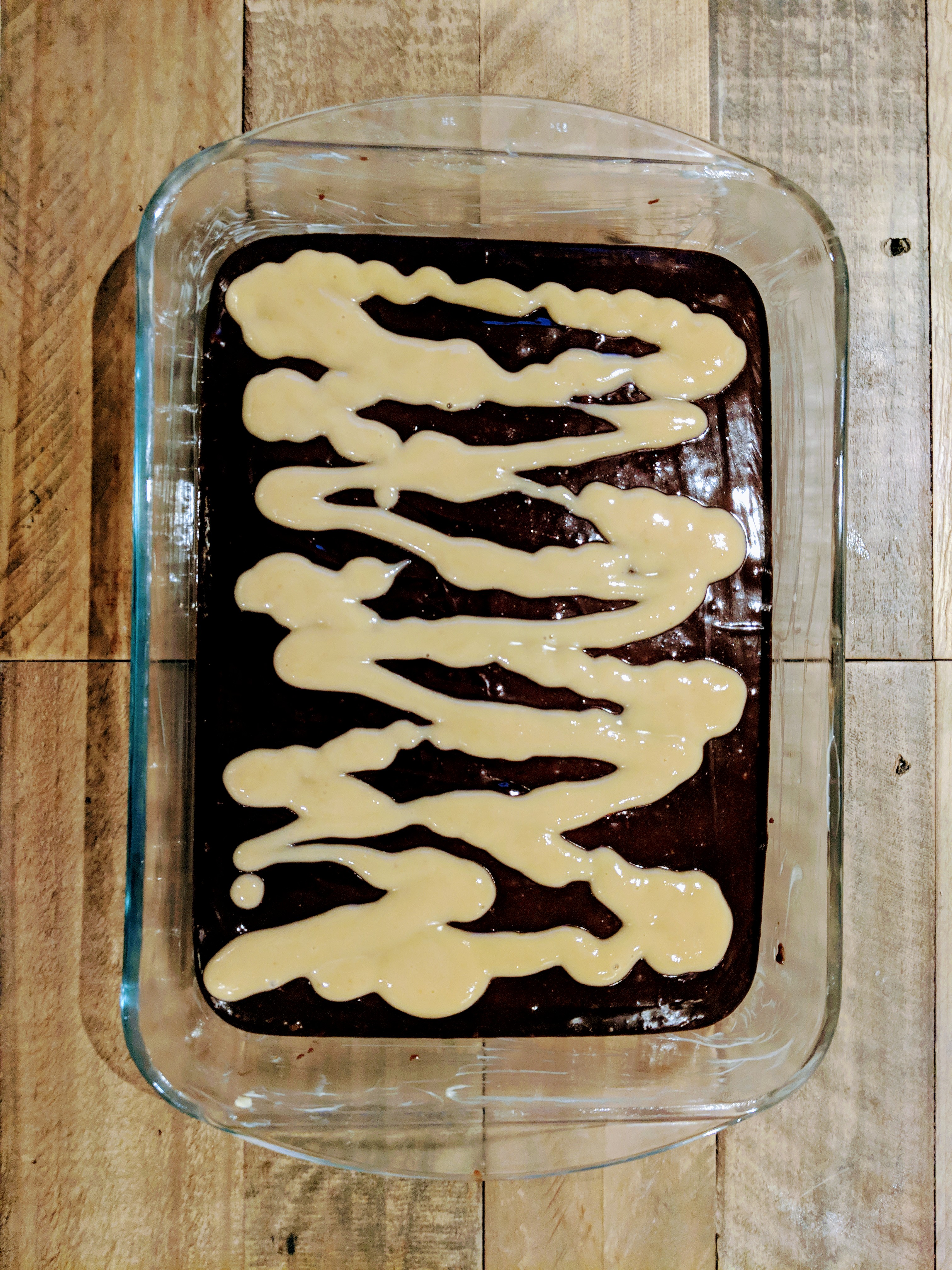
This, though, is clearly insufficiently indulgent for me. I had some dulche de leche left from my profiteroles – don’t worry, it was in the freezer, not going mouldy! – so I melted it down, added some water for viscosity, and poured strips of it over the raw brownie batter.

Each bite is now topped with a burst of caramel-y, milky goodness.

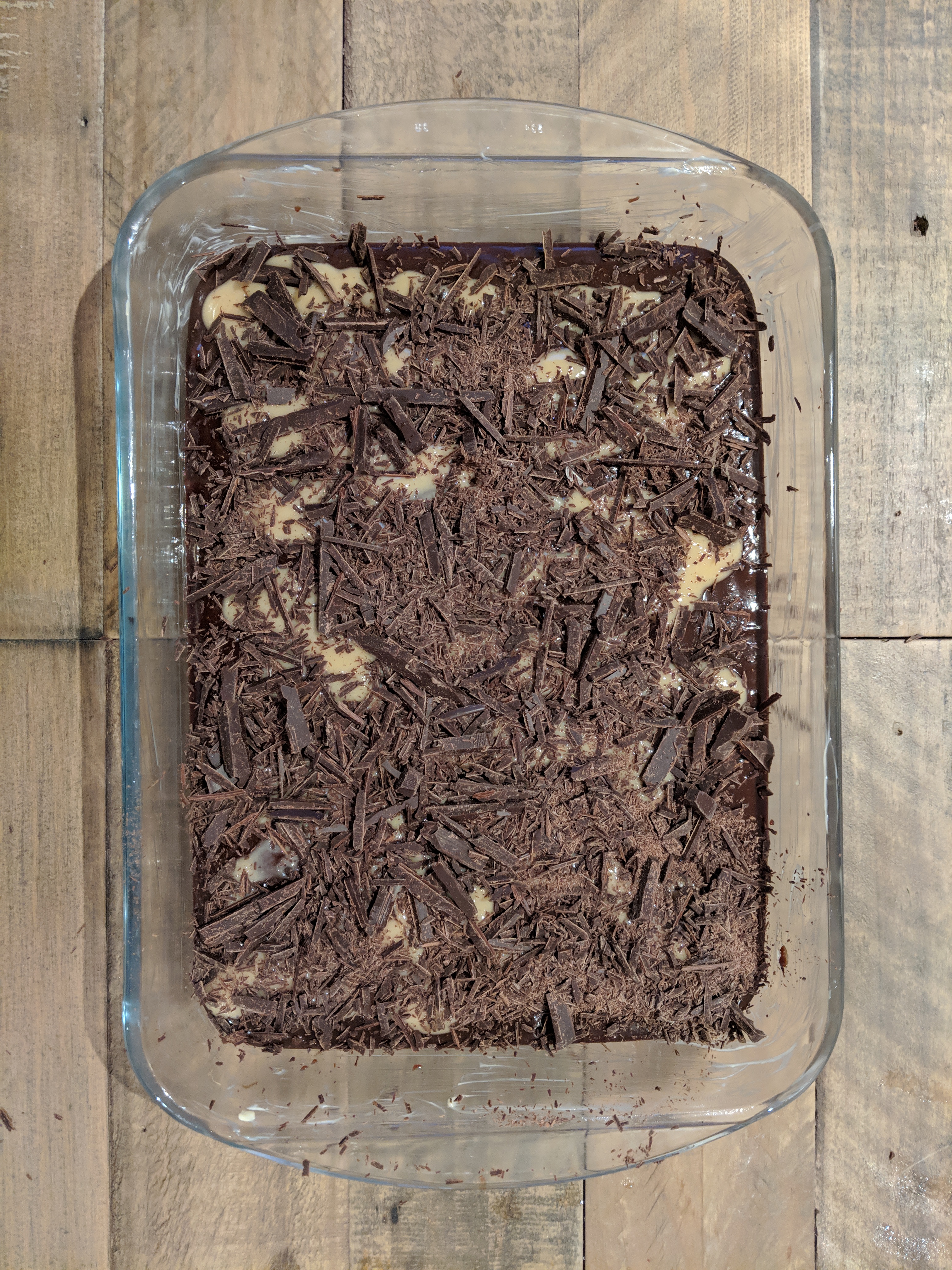
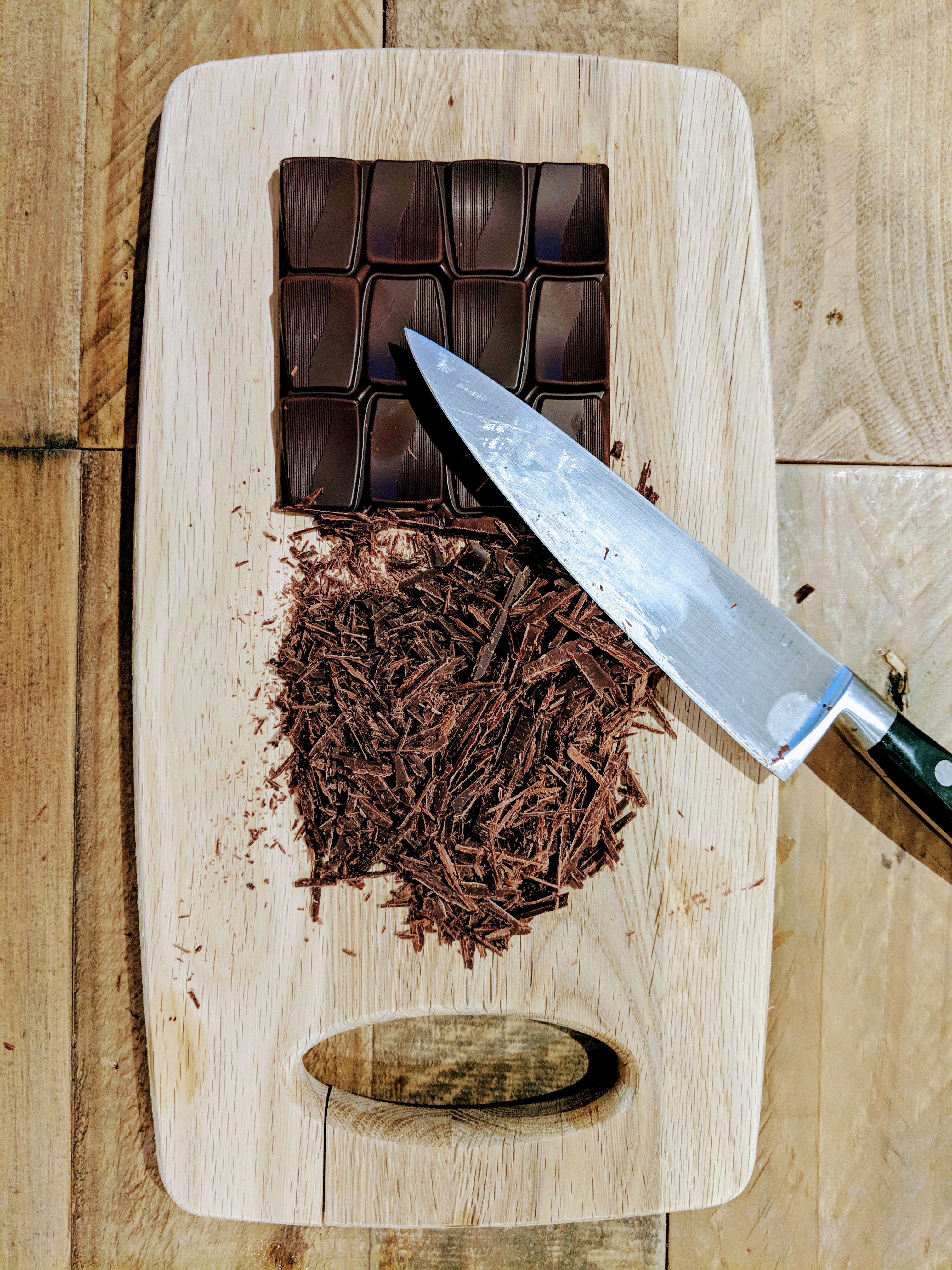
I always add shards of dark chocolate to the top before baking. They melt then harden on cooling, so each brownie is topped with a satisfying chocolate snap. The chocolate shards left on the chopping board also happen to be delicious if they inadvertently melt on your hands while baking. Or so I’ve heard.

L’innocence tasting menu in the 9è, Paris

Kate and I decided to head to Paris to celebrate her birthday (which, despite her protests, did not mean that I would suddenly be paying for the hotel, Eurostar, food, or everything else she requested). On Friday night, we had the tasting menu at l’Innocence and it was spectacular. More on that later.

We kept it simple on the first night, heading to Bouillon Chartier on the recommendation of the highly talented Jake Makes. A proper Paris institution, full of Parisiens enjoying steak frites or poulet roti with lightning-fast service from waiters who could have been transported straight from the nineteenth century. All very theatrical.

Bouillon Chartier
Bouillon Chartier

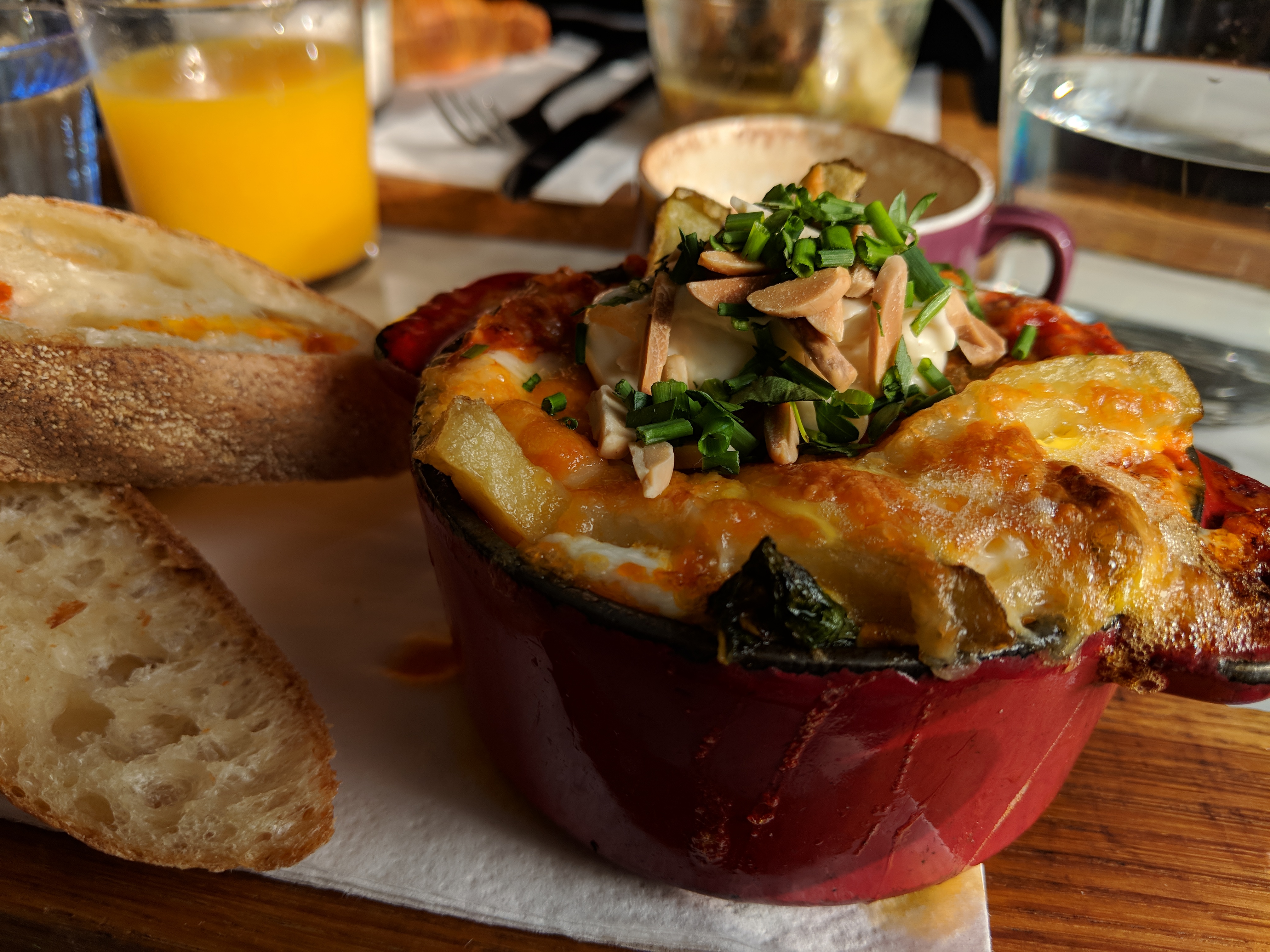
The next day we ate breakfast at Hardware Société, a Melbourne/Paris café serving something inbetween an Aussie and a Parisien breakfast. The chorizo, egg and cheese bake, below, was excellent. Much better than anything I’ve had recently in London where it seems you increasingly have to pay stupid money for something as simple as egg on toast. Highly recommended for anyone kickstarting their day before walking round Montmartre. And it’s coming to London in 2020.

Hardware Société - yes, that is chorizo oil on the bread, and yes, it was delicious
Hardware Société – yes, that is chorizo oil on the bread, and yes, it was delicious

This was all a sideshow, though, compared to Friday night at l’Innocence. There’s no choice on the menu – but they were very accommodating with the customer at the neighbouring table who was vegan and gluten-free – a pretentious American woman who told the maitre d’ that he should improve his English for his own good. The maitre d’ actually spoke very good English, was very patient with my French and described every dish in vivid detail. He absolutely made the night for us and every other diner in the restaurant.

I had three highlights.

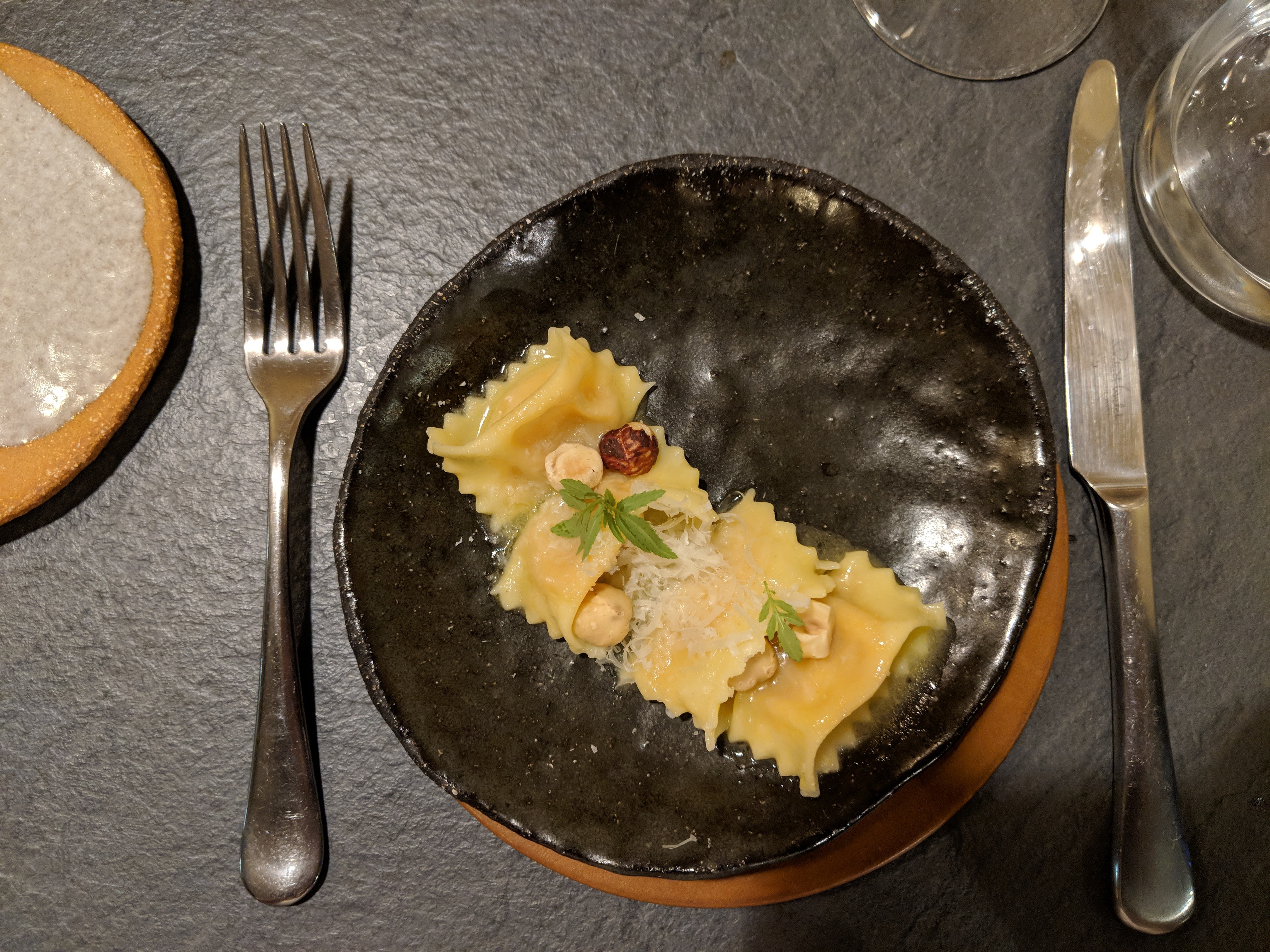
Pumpkin and hazelnut ravioli. The filling of a roast (I think!) pumpkin gave the dish much more depth than it suggested at a glance. But the absolute killer was the hazelnuts which were briefly confusing and then one hundred percent delicious. They’d been cooked in a burnt butter which was then used to baste the ravioli. The butter took on the hazelnut flavour and acted as a nutty and bitter envelope to the sweet pumpkin filling. The ravioli were like little autumnal explosions and were the inspiration behind my pumpkin and mozzarella pasta bake.

Pumpkin and hazelnut ravioli

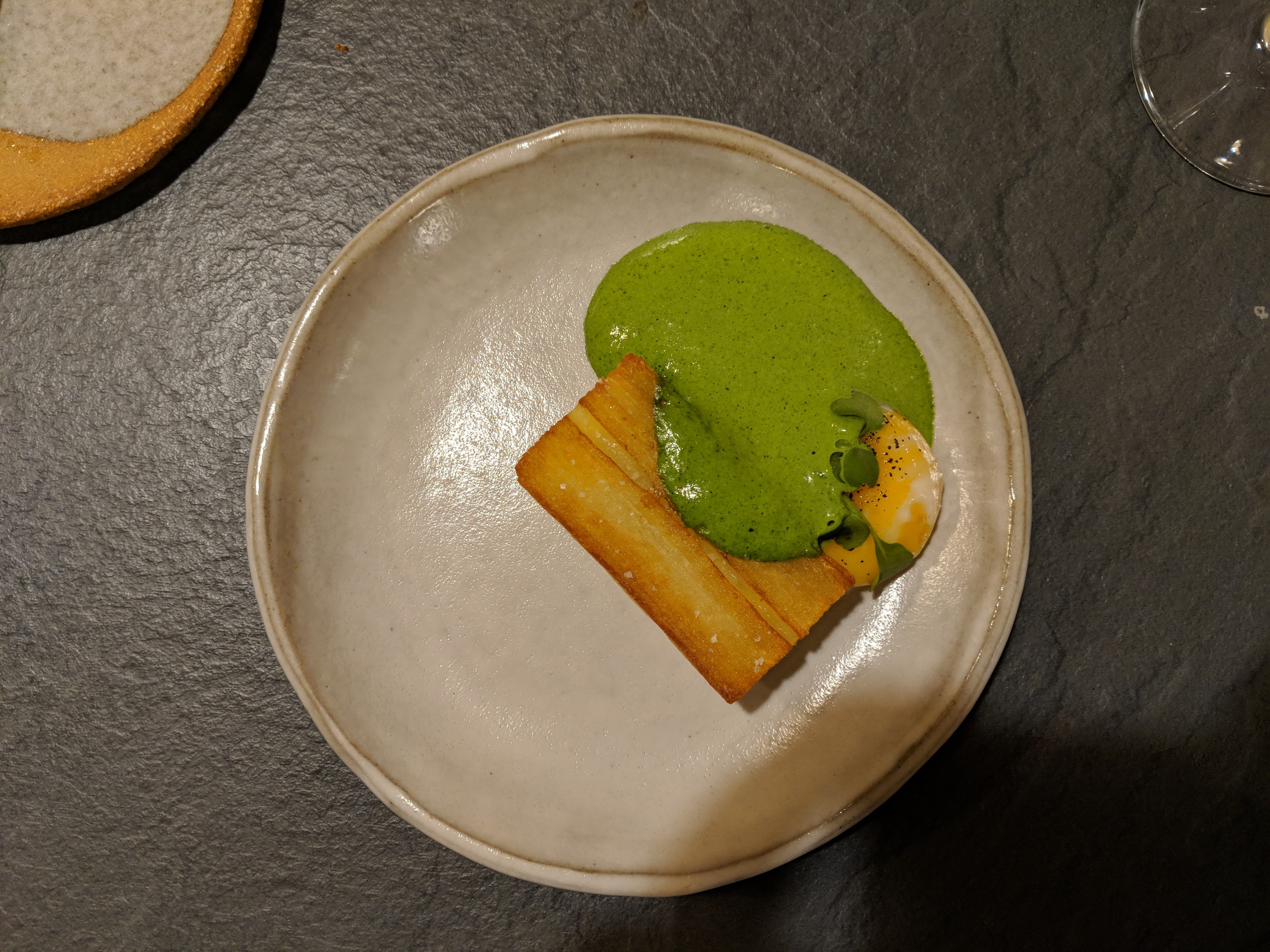
Potato, egg and (sorry, chef) some kind of green foam. I feel bad for not knowing what it was, but I could take it or leave it. The potato makes an appearance in my highlights for the insanely complex way it had been prepared. My photo doesn’t do it justice. A cylinder of potato sliced into single millimetre sheets, then perfectly reconstructed into a half pipe. Each layer remained distinct and had some bite. The whole thing had then been cooked as a fondant, with some crispness on the edge of each of the layers but soft and buttery inside.

Potato, egg and unidentified green foam

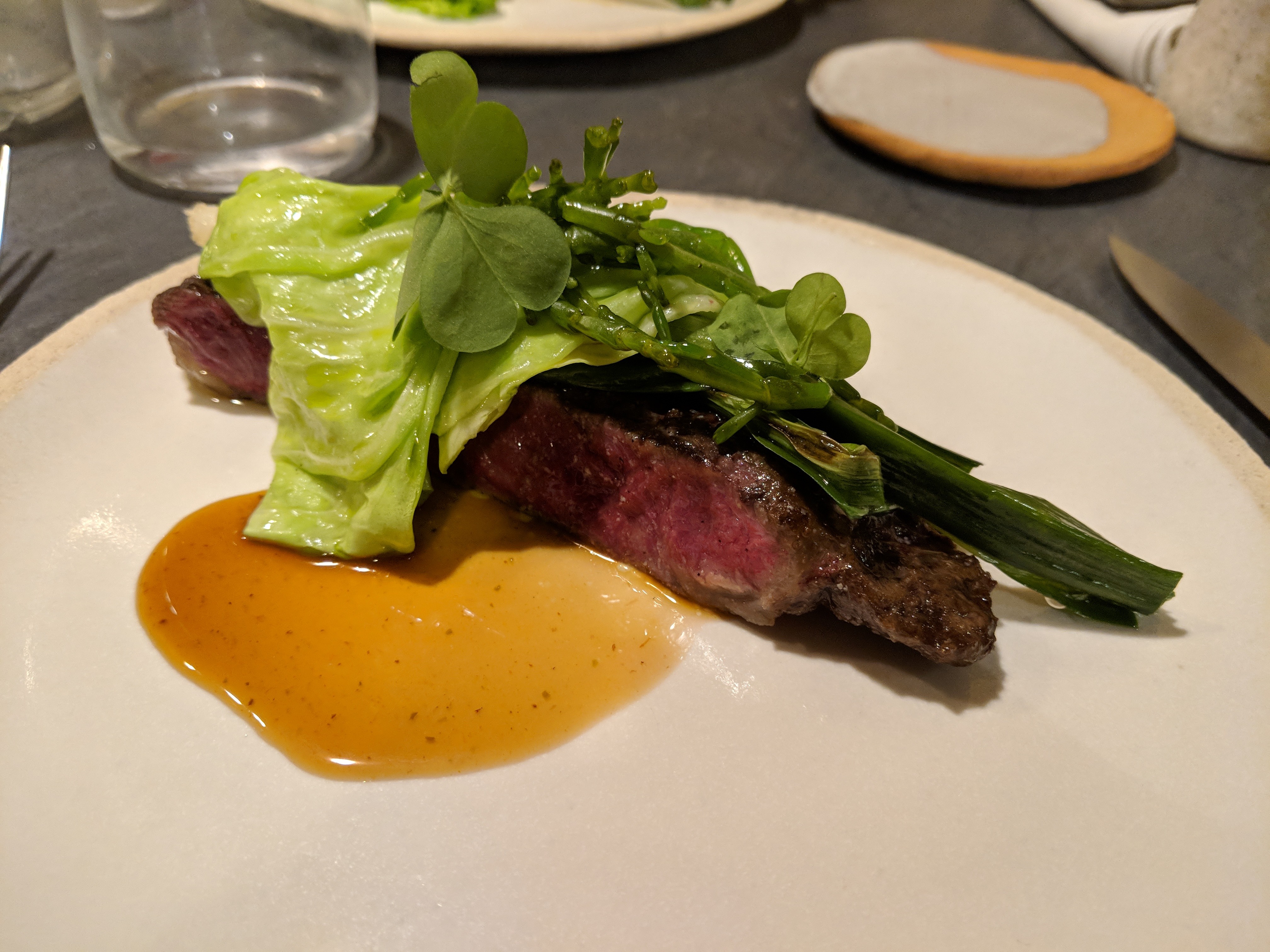
Steak. To be honest, I’d sat through around four courses of our excellent maître d’ explaining each dish in very elaborate – and very French – detail, and I didn’t really pick up much of his description this time. So let’s just call it steak and veg. I couldn’t place the cut but it was very lean yet still incredibly tender. My steak of choice is usually a rib-eye done medium, so that the marbling fat breaks down and turns the muscle smooth and buttery. No fat here, but no problem. I have never tasted such a tender, rich steak, let alone one so lean. Dark and caremelised at the very edge, but pink and as smooth as slowcooked brisket inside. You should visit l’Innocence just for the possibility that this is in the menu.

The perfect steak
The perfect steak

Paris was short and sweet. But I’ll be back.

The Iris menu at l’Innocence was €69 for six courses, plus homemade bread and amuse bouches, and includes service. Paired wine was an additional €29.